He Yi and Binance: Inside the Rise of a Global Exchange
He Yi’s appointment as Binance co-CEO in December 2025 completes a trajectory few could have imagined. She rose from a remote mountain village with no running water to one of the most influential leadership roles in global finance. Her life mirrors the core promise behind cryptocurrency: open access, upward mobility, and the ability to bypass rigid systems. For He Yi, crypto represents a practical mechanism for expanding financial participation among communities long excluded from traditional markets.
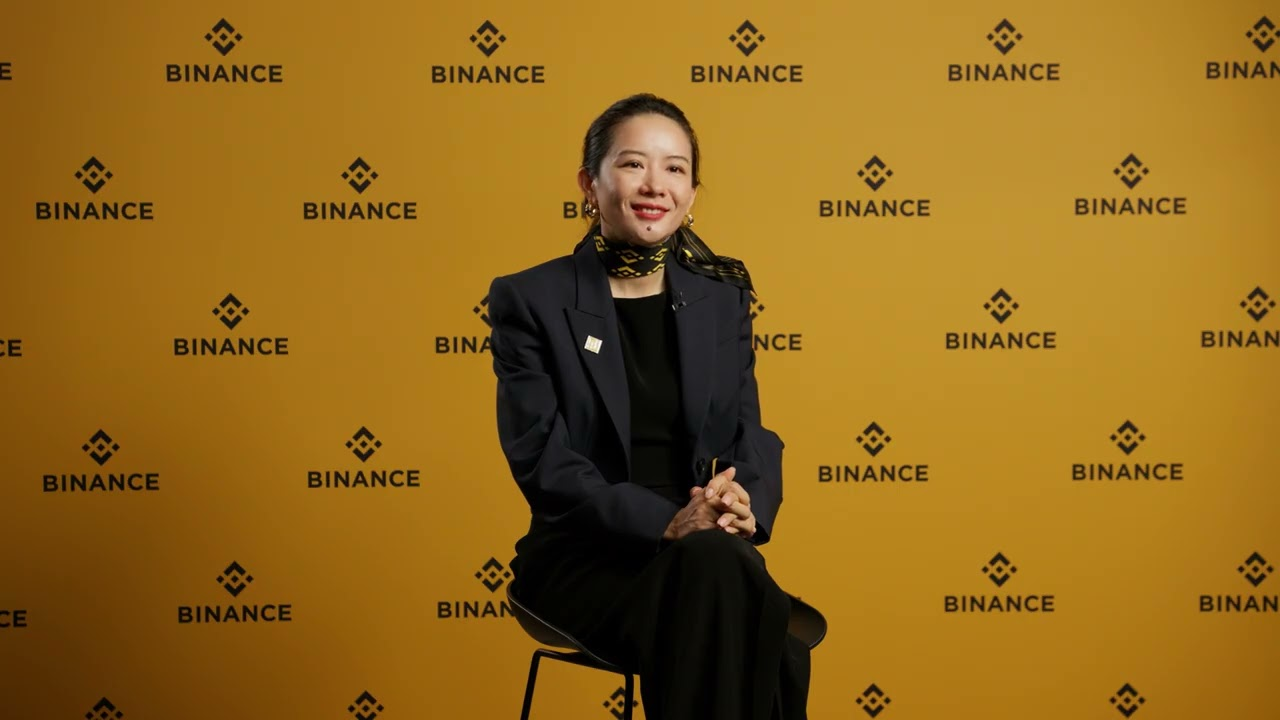
Bloomberg has described her as the most powerful woman in crypto. Today, she shares command over an exchange serving more than 300 million users across 180 countries. Despite this scale, she still introduces herself as Binance’s Chief Customer Service Officer. The title reflects both authority and operating mindset, placing users at the center rather than hierarchy.
This report traces He Yi’s rise from early hardship to the upper tier of the digital asset industry. It explores how formative experiences shaped discipline, how each career transition sharpened execution instincts, and how those forces converged in her elevation to co-CEO at a moment signaling a new phase for Binance and the broader crypto market.
A childhood built under pressure
He Yi was born as He Ying on November 15, 1986, in a remote rural village near Yibin, Sichuan. Mountain isolation and agricultural poverty defined the environment. Her parents worked as schoolteachers, respected roles with minimal income. The home had no running water. Each day involved walking to a village well, carrying water back, then studying at night under kerosene light. Scarcity was not abstract. It shaped routine, effort, and expectations.
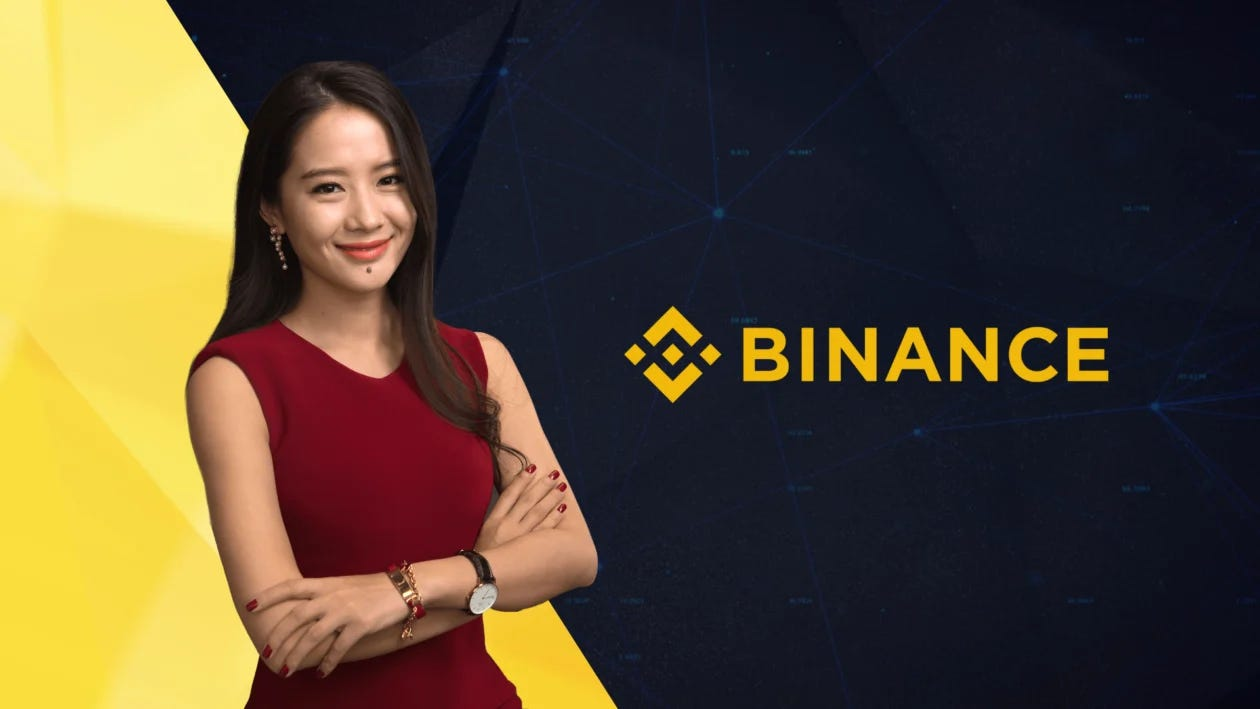
Her father died around 1995, when she was about 9 years old. The loss forced maturity early and tightened household pressure. Her mother stayed in teaching and hoped her daughter would choose a stable rural career. Around them, most children left school before age 16 to work in factories, a standard path built around survival rather than long-term mobility.
He Yi chose otherwise. She entered primary school at age 5, ahead of peers still in kindergarten. Academic results stayed near the top year after year, and reading gradually replaced leisure as a default habit. Instead of free play, spare time went to books taken from home, while daily labor continued outside the classroom. Water hauling, wood chopping, and household duties ran in parallel with study, creating a routine where mental focus and physical effort reinforced each other rather than competing for time. Constraint sharpened attention. Repetition built discipline. These patterns later translated directly into execution under pressure.
Her education continued through an undergraduate degree in education at a Sichuan university. In 2006, she entered an in-service graduate program in counseling psychology at the Chinese Academy of Sciences in Beijing and earned a national psychological counselor certificate. Psychological training later became a practical edge, strengthening communication judgment, emotional awareness, and group dynamics, capabilities she credits for engaging users and building communities at scale.
Early career struggles reveal entrepreneurial instincts
Before crypto entered her life, He Yi moved through a series of jobs that quietly trained her for business execution. At age 16, around 2002, she worked as a beverage promoter in supermarkets, earning roughly 1,000 yuan/month. The work demanded constant talking and relentless energy. Long hours on her feet left her voice hoarse, but the experience taught endurance, persuasion, and the value of attention in crowded environments.
By age 18, she stepped into a short stint as manager of a bedding shop. For the first time, she handled staff schedules, basic accounting, and daily operations. The role was brief, yet it introduced responsibility beyond personal performance and exposed her to the mechanics of running a small operation.
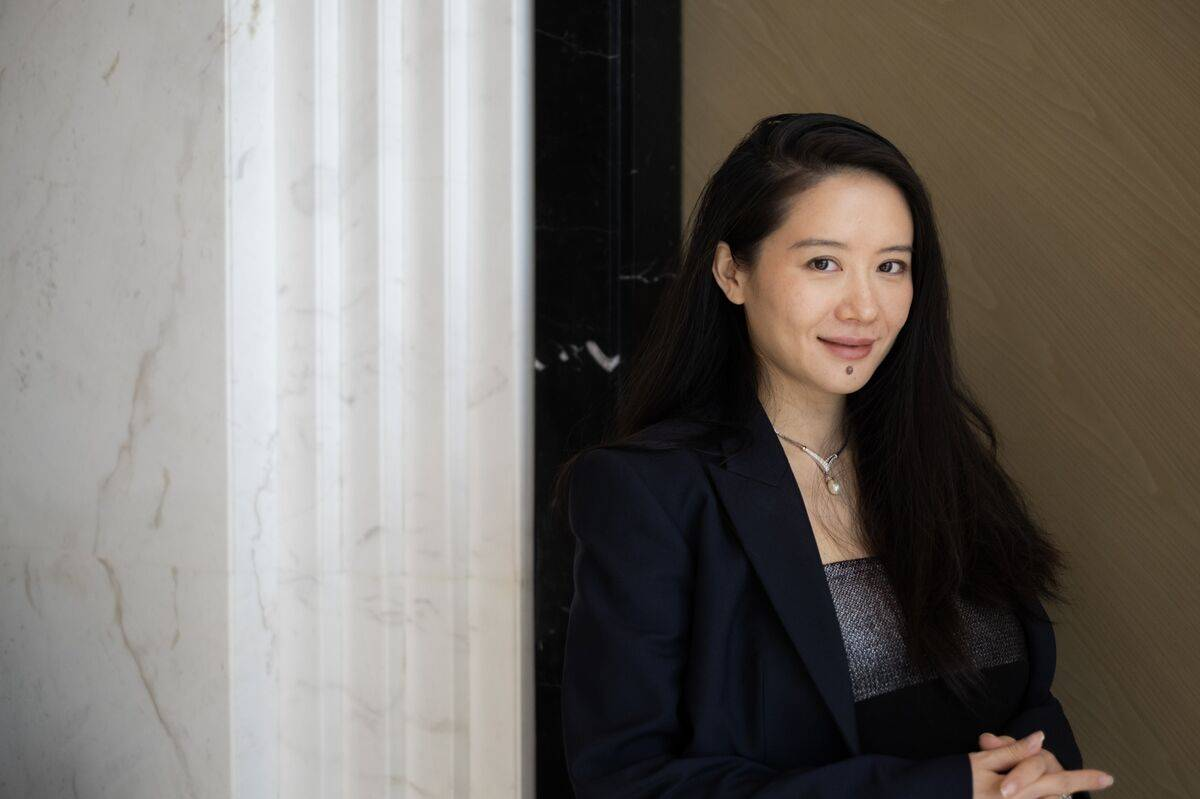
After university, she worked as an assistant psychological counselor, but reality set in quickly. Mental health awareness remained limited, and public stigma was strong. Discussions around psychological conditions often met confusion or dismissal. Market demand stayed thin, income remained constrained, and long-term prospects looked narrow. Rather than persist in a field without scale, she pivoted.
She next became a university teacher and class advisor at a private arts college in Lijiang, holding the role for roughly 2 years. Management came naturally, combining firmness with accountability. She earned a reputation for direct action. When students skipped class, she did not negotiate from a distance. She confronted problems head-on, once even dragging absent students from dorm rooms back into classrooms. The approach revealed a leadership style built on results rather than comfort. During this period, she also served as an art department director, expanding experience in youth management and organizational discipline.
In 2007, she entered financial markets for the first time. She invested roughly 10,000 yuan in equities and rode the bull market, turning capital into 2–3 times the original amount. The outcome mattered less than the realization. Markets rewarded timing, structure, and risk awareness. Curiosity took hold, planting the seed that later drew her toward crypto.
Television stardom brought public presence and media skills
In 2012, a friend working as TV director Wang Danqing suggested He Yi try hosting. She entered an open audition at Travel Satellite TV without professional media training. Rather than compete with models or seasoned hosts, she positioned herself through utility. A psychology background enabled clear communication. Makeup skills reduced production cost. Salary expectations stayed minimal. The pitch focused on contribution, not image. It worked.
From 2012 to 2014, she hosted multiple travel programs on Travel Satellite TV, including Beautiful Destinations, working as a field host across China and parts of Asia. Additional appearances followed on Beijing Television with How Far You Go, Beijing New Discoveries, and How Beautiful the World Is. Each role demanded constant travel, tight schedules, and fast adaptation.
The job tested physical limits. She crossed mountains and rivers under harsh weather conditions. During one shoot in Qinghai, crew contact failed, forcing her to navigate remote terrain alone. Pressure became routine. Her Mandarin carried a Sichuan accent, sometimes requiring phonetic subtitles, yet on-screen delivery felt natural and engaging. Producers valued authenticity over polish.
Monthly income averaged around 20,000 RMB, while commercial appearances added roughly 10,000 RMB per event. Peak months approached 100,000 RMB. Despite steady earnings, she viewed television as transitional. She described herself as an unknown host rather than a public figure. When offered a leading role in a Beijing drama, she declined. Acting did not align with her ambition. Influence mattered more than visibility, a decision that later proved decisive.
Entry into cryptocurrency reshaped her direction
He Yi entered crypto by chance in November 2013, when Mai Gang, an investor linked to OKCoin, invited her to promote aBitcoin red-envelope campaign on WeChat ahead of Spring Festival. At the time, Bitcoin had just reached $1,100. She knew nothing about it. However, curiosity took over immediately. She searched, read, and studied intensively, and the concept quickly stood out as radical yet inevitable. Crypto appeared less like speculation and more like infrastructure built for scale and access.
In early 2014, after the campaign concluded, Mai Gang hosted a small gathering. There, she met Xu Mingxing, founder of OKCoin. Only one week later, Xu extended a formal offer. The role came with a Vice President title, an annual package near 400,000 RMB, and 1 percent equity. She accepted without delay, sensing momentum rather than risk.
She joined OKCoin in March 2014 and soon assumed responsibility across brand strategy, marketing execution, user operations, social channels, and public relations. Although OKCoin launched in mid-2013, she carried the co-founder title in public settings to anchor credibility during industry expansion. As a result, traction accelerated quickly. OKCoin captured nearly 60% share across China’s Bitcoin trading market. Later, in 2015, she executed a high-visibility move by placing OKCoin on a Times Square screen in New York, pushing the brand into global awareness almost overnight.
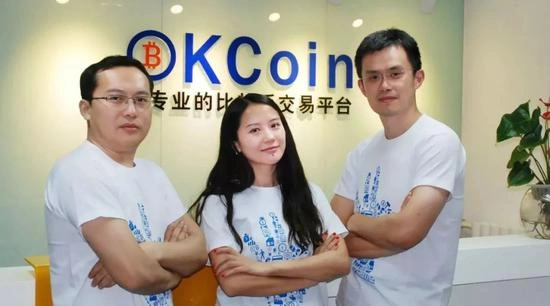
Meanwhile, at a blockchain conference in April 2014, she met Changpeng Zhao. Mt. Gox had just collapsed, and Bitcoin prices were deep in decline. CZ had sold his Shanghai apartment and invested fully into crypto, only to watch value compress sharply. Yet his speech focused on long-term transformation through blockchain rather than short-term loss. That conviction resonated strongly. Shared roots emerged quickly, including teacher families, rural backgrounds, and early scarcity.
By June 2014, she persuaded CZ to join OKCoin as Chief Technology Officer. A tight leadership core formed around Xu Mingxing, He Yi, and CZ. Over time, however, strategic tensions surfaced around operating models, transparency, and user treatment. Eventually, alignment broke. CZ exited near the end of 2014. He Yi followed in late 2015, constrained by a 2-year non-compete clause. The separation closed one chapter and, quietly, prepared the ground for a larger ambition ahead.
Yixia Technology years proved her marketing prowess
Restricted by a non-compete clause, He Yi changed direction without losing momentum. In late 2015, she joined Yixia Technology as Vice President, taking charge of marketing across a portfolio of mobile video products. The lineup spanned short-form clips on Miaopai, live broadcasting on Yizhibo, and performance-driven user content on Xiaokaxiu. The move functioned as a calculated detour rather than a pause.
Execution scaled quickly. By the end of 2016, Miaopai reached a 61.7% user penetration rate and roughly 70 million daily active users. At the same time, combined daily playback across Miaopai and Xiaokaxiu climbed toward 2.5 billion views. High-impact partnerships followed. A headline livestream featuring Korean actor Song Joong-ki drew national attention and lifted visibility across platforms. In parallel, Yizhibo rose to the top position among live-streaming services in China, reaching close to 60 million monthly active users. As growth stabilized, company valuation moved toward $3 billion.
In August 2017, the restriction expired. She marked the moment with a public letter titled Starting Over Before 30, signaling a clear return to crypto. Around the same period, CZ reached out regarding advisory work on the Binance whitepaper. Timing aligned naturally. Experience was sharpened. Conviction remained firm. She stepped back into an industry she believed would reshape global finance.
Building Binance from struggling startup to global dominance
When He Yi reconnected with CZ in mid-2017, Binance was under severe pressure. The exchange had launched on July 14, 2017, following an ICO that raised $15 million between June 26 and July 3. Sentiment quickly turned negative. BNB dropped below 50% of its issue price and traded near $0.05. Criticism intensified across the market. Stress inside the company mounted, and CZ reportedly lost 10 kg within three weeks.
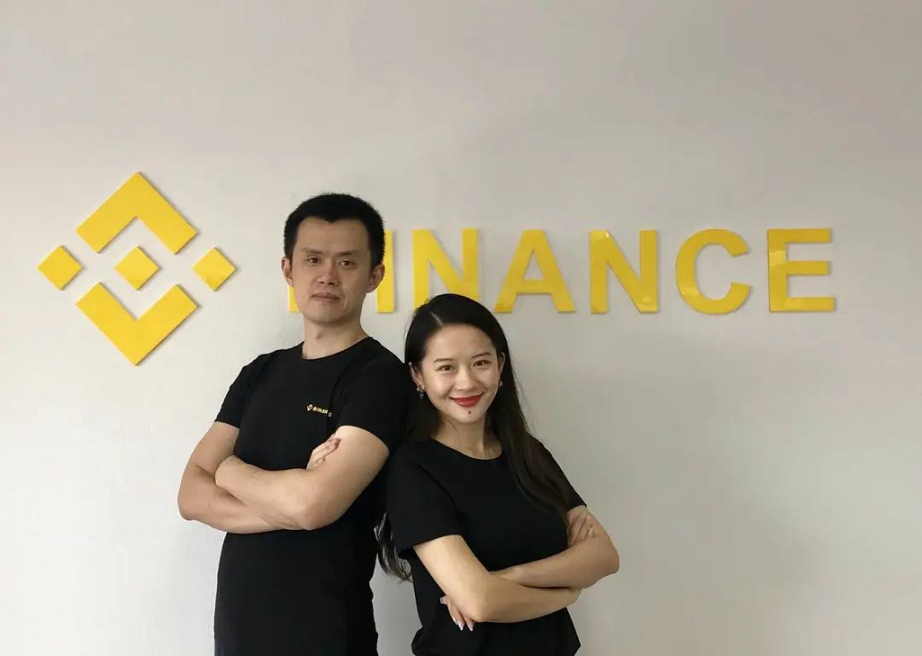
Her first move focused on fundamentals. She rewrote key sections of the Binance whitepaper and helped define the Chinese brand name 币安, combining “币” for crypto with “安” for safety and trust. On August 8, 2017, she formally announced her arrival on investor Guo Hongcai’s livestream. At the time, she agreed to contribute without pay, driven by belief rather than compensation.
The response was immediate. Following the announcement, BNB trading activity surged and rankings jumped into the global top 10. Within two weeks, price climbed from $0.149 to $2.57, close to a 20× move. She later acknowledged that the reaction reflected investor confidence tied directly to her involvement.
Momentum accelerated as strategy took hold. She launched aggressive promotional campaigns, including high-profile car giveaways featuring Lamborghini, Porsche, and Maserati, starting with a Lamborghini Huracán promotion in December 2017. Community building became a core engine. Presence expanded rapidly across Weibo, Telegram, and WeChat, while referral mechanics pushed user growth at scale. She personally monitored channels around the clock, treating feedback as live data rather than noise.
Results followed quickly. Within three months, Binance generated $7.5 million in net profit. Within six months, the platform reached 6 million users across more than 180 countries. On December 18, 2017, daily trading volume surpassed $3 billion, placing Binance at the top globally. By January 2018, the exchange had become the world’s largest, carrying a market capitalization near $1.3 billion.
The breakthrough came under extreme regulatory pressure. On September 4, 2017, less than one month after her arrival, China banned domestic crypto exchanges. Instead of retreating, He Yi helped drive a rapid international pivot. What appeared to be an existential threat turned into a catalyst for global expansion.
Recent elevation to co-CEO signals new era for Binance
On December 3, 2025, during Binance Blockchain Week in Dubai, Richard Teng announced He Yi as co-CEO, elevating her to the highest executive role alongside him. The timing carried weight. The decision came six weeks after President Donald Trump issued a pardon to CZ on October 23, 2025, clearing a November 2023 conviction tied to Bank Secrecy Act violations that had led to a $4.3 billion settlement and a four-month prison sentence. With legal overhang removed, Binance signaled a shift from defense to expansion.
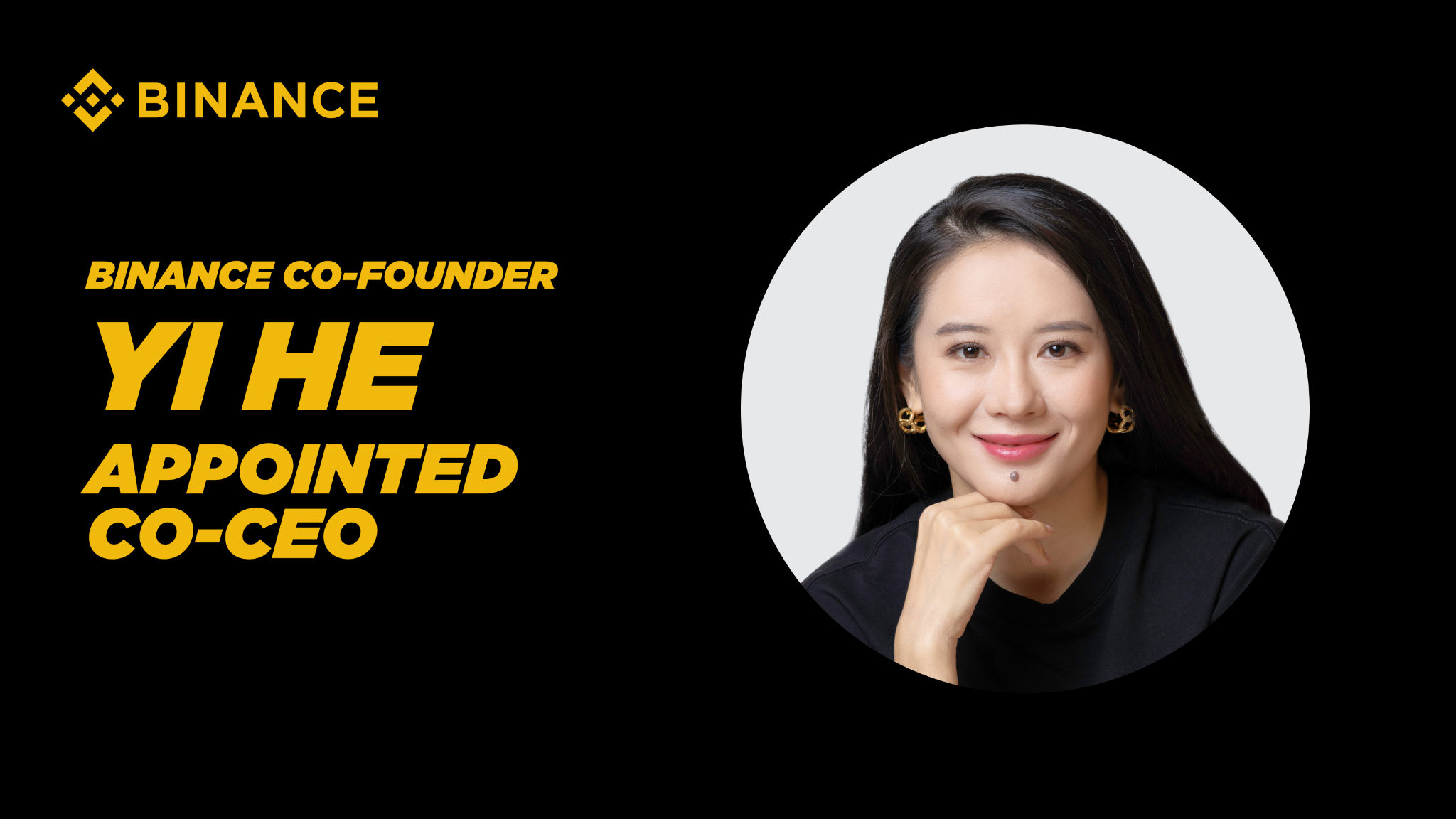
The dual-CEO model splits authority with clear intent. Richard Teng acts as Regulator-in-Chief, concentrating on compliance, licensing, risk oversight, institutional relations, and legal coordination, drawing directly on experience as a former Singapore financial regulator. In parallel, He Yi assumes the role of Builder-in-Chief, directing product evolution, user experience, global growth, marketing, ecosystem strategy including YZi Labs, and organizational development.
Teng framed the move as inevitable rather than symbolic. He described He Yi as a core architect behind Binance since its earliest days, crediting her user-driven mindset for shaping vision, culture, and execution from the ground up. In his view, the appointment formalized a role she had long played.
CZ echoed the sentiment publicly. He stated He Yi should have held the CEO position from the beginning and emphasized the strength of two leaders with complementary capabilities guiding the company forward.
External observers reached similar conclusions. INSEAD professor Ben Charoenwong noted that the pardon marked a turning point. Regulatory pressure had forced caution. With constraints lifted, leadership now appeared ready to scale aggressively and reassert control at the center.
Markets reacted quickly. On the announcement day, BNB climbed roughly 7–8%, moving from the $880 range toward $896–$910. Trading volume surged 12.1% within 24 hours, reaching $2.47 billion, reflecting renewed confidence in Binance’s leadership reset.
Her management philosophy centers on user obsession
He Yi runs Binance through a single, uncompromising principle: User First. Despite holding the co-CEO title, she continues to introduce herself as Binance’s Chief Customer Service Officer. The positioning is deliberate. Every employee begins with customer service during onboarding. New mid-level and senior managers complete mandatory training and rotate through support for 2–6 hours each quarter. User contact is treated as a discipline, not a department.
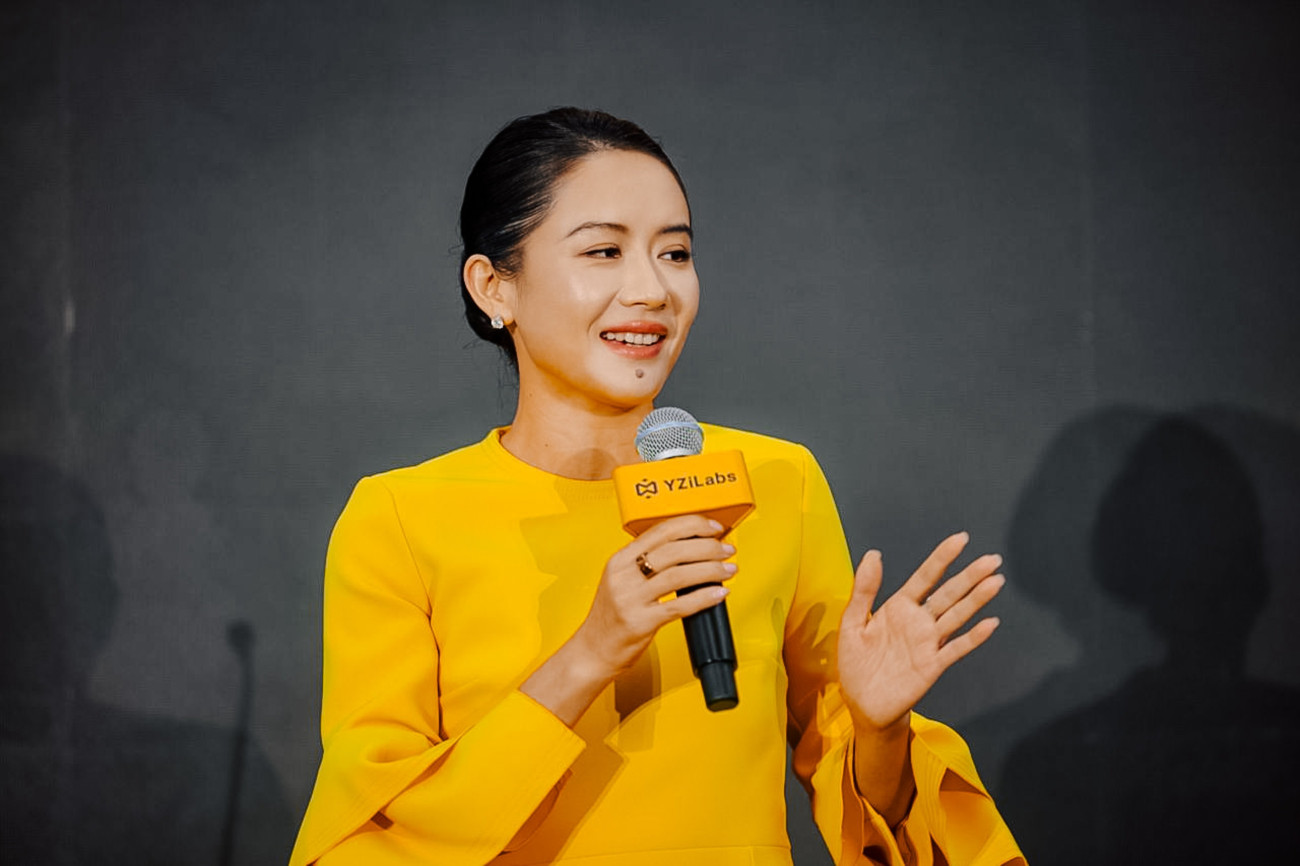
She enforces the standard personally. In a recent case, she stepped in to help a university student recover $500 sent to the wrong address after reading the message, “It may be small for you, but it’s everything to me.” She regularly tracks feedback across Telegram, X, WeChat, and other channels, treating complaints as signal rather than noise.
Internally, her style is strict and outcome-driven. She often cites Steve Jobs, noting that top-tier talent does not require protection of ego. Performance matters more than comfort. Clarity replaces reassurance. Execution outweighs sentiment.
Her daily routine reflects the same mindset. Mornings begin with exercise, followed by consecutive meetings, time caring for her child, more meetings, reading, then sleep. The schedule rarely changes. She views repetition as an advantage, believing monotony sharpens judgment and removes distraction from decision-making.
On gender and leadership, her stance remains blunt. She advises women to ignore labels entirely. The real constraint, in her view, comes from internal limits rather than external barriers. Business does not slow down for identity. Competition stays ruthless. She warns that leaning on perceived soft advantages shifts respect toward personality instead of competence. Lasting authority, she argues, comes only from expertise that cannot be questioned.
BNB and Binance current market position
As of December 2025, BNB trades between $840 and $885 and ranks #4 globally among cryptocurrencies. Market capitalization stands around $118–$124 billion. The token reached an all-time high of $1,370.55 in October 2025, driven partly by momentum following CZ’s pardon. Current pricing remains roughly 37% below the peak.
Binance retains its position as the world’s largest cryptocurrency exchange:
- 300+ million registered users, up from 130 million during the 2023 crisis
- 35–40% share across the global CEX market
- Active operations spanning 180+ countries
- $125+ trillion in cumulative lifetime trading volume
Regulatory positioning has strengthened materially. Binance now holds more than 21 licenses worldwide, highlighted by a landmark Abu Dhabi Global Market approval granted on December 7, 2025, which places the main platform under a global regulatory framework. In parallel, legal pressure has eased. The SEC dismissed its civil lawsuit in May 2025, and discussions with the DOJ are underway to remove the remaining compliance monitor requirement.
At the same time, market reach and institutional traction continue to expand. India leads user growth with 103 million accounts, followed by the United States at 55 million, Brazil at 26 million, Nigeria at 22 million, and Vietnam at 20 million. Institutional adoption rose 97% during 2024, reinforcing Binance’s shift toward larger capital flows. That momentum extended into November 2025, when VanEck filed for a BNB spot ETF, creating a potential channel for substantial institutional inflows pending approval.
Looking ahead: He Yi's vision for Binance's future
He Yi outlines a clear and expansive ambition for Binance. Her goal centers on turning the platform into the Google of Web3, a gateway where crypto becomes intuitive rather than intimidating. User scale sits at the core of this vision. She targets 1 billion users, a sharp increase from the current base of more than 300 million. In parallel, she expects deep integration between crypto and traditional finance within the next 5–10 years, driven largely by stablecoins rather than speculative assets.
Near-term priorities remain practical. Product experience ranks first, especially smoothing friction highlighted through user feedback. Regulatory expansion follows closely, with a Hong Kong license viewed as a strategic anchor in Asia. Internally, she identifies talent density as the most pressing constraint. Growth, in her view, depends less on speed and more on raising execution quality across teams.
Longer term, her focus shifts toward institutional durability. She aims to move Binance away from founder-dependent decision-making toward a system built on repeatable processes and organizational capability. The objective involves replacing personality-driven outcomes with mechanisms that scale reliably. The end goal is an evergreen company, one able to endure beyond any single leader.
For Vietnamese traders, the arc carries particular weight. He Yi rose from rural poverty in a developing economy, endured personal loss early in life, and navigated multiple career pivots before reaching the top tier of a global industry. Her path from carrying water and chopping wood in Sichuan to guiding a crypto platform valued near $118 billion reflects both the opportunity and the discipline demanded by the digital economy.
Conclusion
He Yi’s elevation to co-CEO marks more than a leadership reshuffle. It reflects a broader shift within crypto as the industry moves from survival toward structure and scale. The timing matters. CZ’s pardon removed a major overhang. SEC litigation has closed. Global licenses are in place. After two years of defensive posture, Binance now signals renewed expansion.
Her profile fits the moment. Deep marketing instincts, relentless user focus, and founder-level institutional memory place her in a rare position to execute. At the same time, her approach remains grounded in habits shaped by early hardship: discipline, resilience, and attention to ordinary users. As she has stated publicly, the ambition is simple but demanding, to build a company able to stand the test of time. Based on her track record, the market has little reason to doubt the outcome.